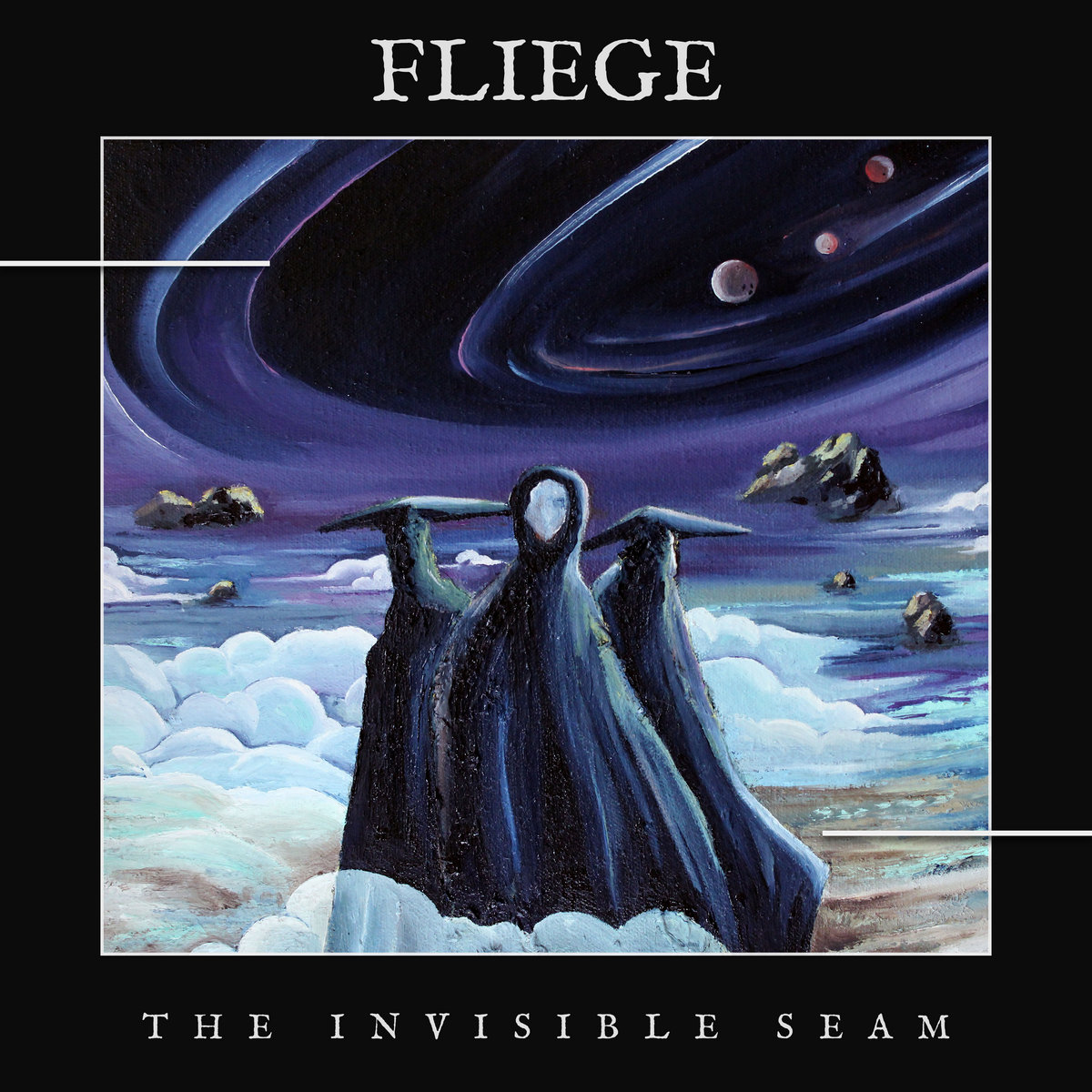
genres: post punk + black metal + dungeon synth
for fans of: Ulver, Ihsahn, Nine Inch Nails, As I Lay Dying
Ingmar Bergman’s The Seventh Seal is one of the greatest and most iconic films of all time. Capturing its magic in musical form is a tall task, but Fliege have absolutely done so here. Breaking the rules of every genre it dabbles in, this album creates a consistently moody atmosphere that rivals the black and white classic while being composed of individually brilliant and catchy songs. Rather than retell the narrative over its run time – as is a common approach among many progressive metal productions inspired by the screen – Fliege focus on the existential horrors and struggles that give the characters motion in Bergman’s movie. Just like its inspiration, the resulting album is full of anger, peace, despair, and hope.
Musically, Fliege has crafted a sonic palate unlike anything I’ve ever heard, and coalesced it into a perfectly aligned style. Most songs are built upon a dungeon synth base, using drum machines and haunting retro 8-bit sounds to form repetitive beats. Black metal influences are immediately present in the guitars and screamed vocals, but it’s the introduction of clean singing that is simultaneously soaring and appropriately hollow that truly separates the band from its experimental peers. A healthy balance of song structures from traditional to progressive keeps the experience fresh, while song lengths between 2:42 and 6:26 ensure that no track overstays its welcome. Stylistically, it’s both entirely unique for the experienced and incredibly accessible for those who’ve never listened to extreme music.
Standout tracks are not in short supply. “A Confession” is one of the best songs of 2020, and provides a great entry point. Catchy call and response passages between the vocalists frame an almost liturgical chorus that lays out the general themes of faith vs doubt and death vs life that the rest of the album (and movie) want to explore. It is immediately followed by “March of Whips”, which maintains the enjoyable facets of the previous track while shifting to a more progressive structure and aggressive performances as characters confront the failures to purify themselves of both plague and sin. “Love Plague” again changes direction, offering an explosive lead-in to a positively 80s influenced track about the angst brought by all the unresolved questions. The album finally concludes with the cavernous “A Light in the Black Pane”. Rapidly shifting influences from early-2000s metalcore to choral compositions to indie breaks, Fliege ends the album in the same fashion as Bergman: no answers to the existential questions given, but a catharsis that comes from knowing they’ve been asked.
Listen Here
 www-reviews